№ 08 · MICROBIOLOGY
What dental biofilm is and why your toothbrush cannot kill it
June 06, 2026 · QDRO
Your toothbrush is mechanically incapable of reaching roughly 40% of your tooth surfaces — the interproximal spaces where the most pathogenic biofilm tends to concentrate. But even on the surfaces it does reach, brushing only strips the outermost layer. Inside the biofilm, bacteria are shielded by an extracellular matrix of polysaccharides and DNA that makes them 500 to 1,000 times more resistant to antibiotics and antiseptics than the same cells living freely in suspension.
Understanding why changes what a rational oral hygiene routine looks like.
A city, not a stain
The mental model of dental plaque as accumulated grime — something you scrub off like soap residue on a shower wall — is wrong at a fundamental level. Dental biofilm is a structured multicellular community and one of the best-studied examples of collective bacterial behaviour in nature.
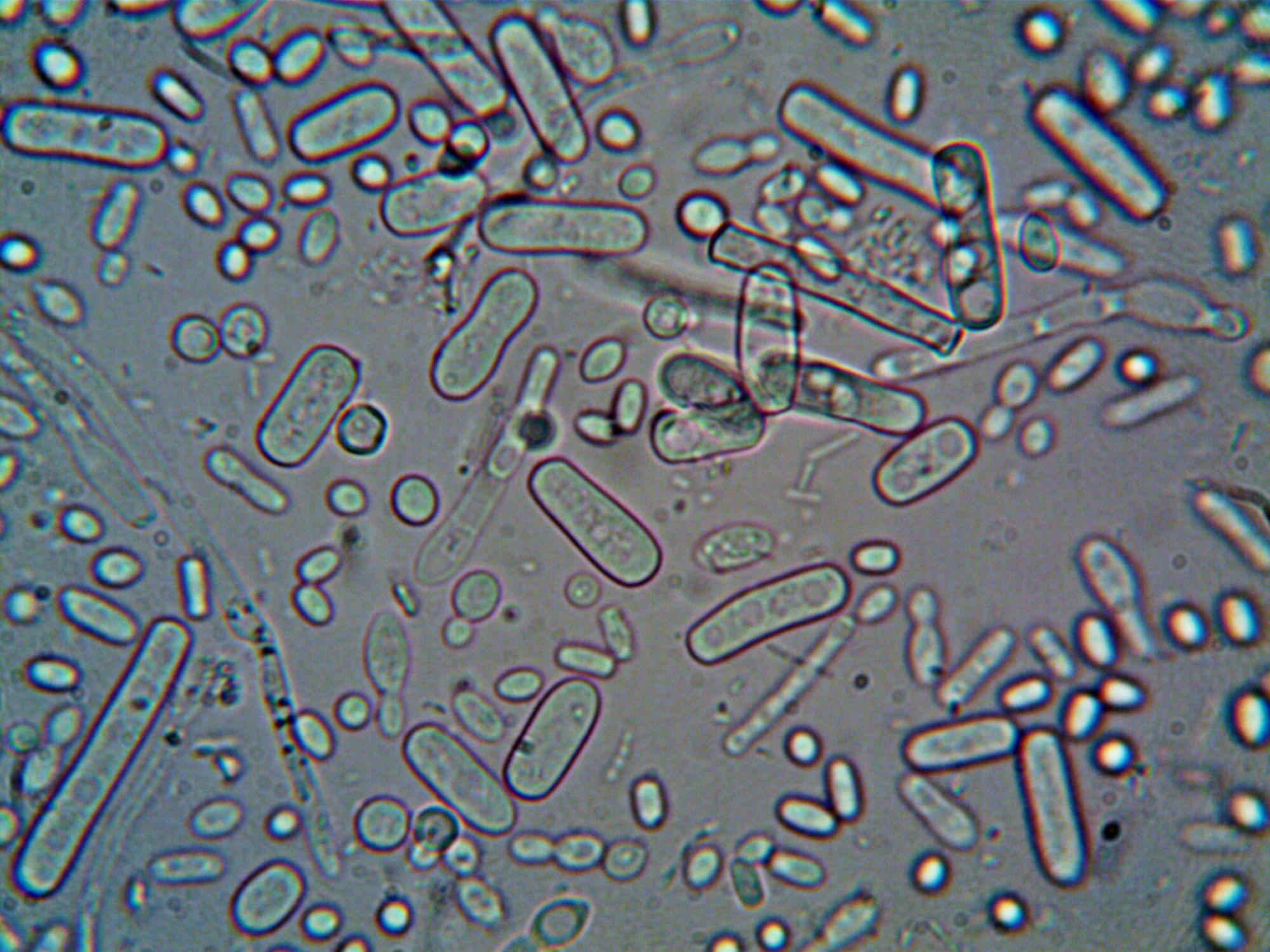
Formation follows a defined sequence. A thin protein film called the pellicle forms on enamel within minutes of cleaning, built from salivary proteins. Primary colonisers — mainly streptococci and actinomycetes — attach to the pellicle surface. They then release quorum-sensing signals: chemical messages that broadcast their presence to the surrounding environment, recruiting other species. Around these early settlers, a complex ecosystem assembles from the approximately 700 bacterial species that inhabit the human oral cavity. Not all of them are pathogenic. But key pathogens — Porphyromonas gingivalis, Fusobacterium nucleatum, Streptococcus mutans — are able to integrate into this structure and exploit it.
The foundational work confirming the architectural complexity of dental plaque was published in Odontology in 2006 (PMID 16998612). Confocal microscopy revealed open, water-filled channels running through the biofilm — a nutrient supply and waste-removal system operating within the community. The authors described dental biofilm as a functional "city," not a passive deposit. One quantitative finding from that work stands out: after mechanical disruption, biofilm re-establishes itself within 24 hours. Not because brushing failed. Because this is what biofilm does.
The matrix: why antiseptics underperform
The extracellular matrix — EPS, extracellular polymeric substances — is the central structural feature of biofilm, and the reason chemical approaches to plaque control have significant limitations. The EPS accounts for more than 90% of biofilm dry weight. The bacteria themselves are a minority fraction of what we call dental plaque.
The matrix is not a single substance. A comprehensive review by Jakubovics et al. in Periodontology 2000 (PMID 33690911) describes its layered composition:
Glucan and fructan polysaccharides are produced by bacterial enzymes (glucosyltransferases, or GTFs) metabolising dietary sucrose. They form a dense three-dimensional scaffold that anchors the biofilm to enamel and maintains the spatial organisation of the community. Species with incompatible metabolic needs — aerobic and anaerobic, acidogenic and acid-tolerant — can coexist within the same biofilm because the matrix partitions them into distinct microenvironments.
Extracellular DNA (eDNA) is not a byproduct of cell death but a deliberately maintained structural component. It acts as scaffolding, a nutrient reserve under starvation conditions, and — most consequentially from a resistance perspective — a vehicle for horizontal gene transfer. Research published in Frontiers in Oral Health (PMC8757797) shows that eDNA forms complexes with glucans and GTF enzymes, and that disrupting eDNA with DNase significantly reduces biofilm structural integrity. Within the biofilm community, eDNA enables the spread of antibiotic resistance genes between species.
Proteins and lipids contribute additional structural cohesion and mediate molecular interactions between community members.
Against this structure, an antiseptic applied to the mouth faces three layered obstacles simultaneously. The matrix physically slows molecular diffusion, reducing the effective concentration of the active ingredient before it penetrates to deeper cell layers. Bacteria in the deeper zones of mature biofilm grow more slowly due to nutrient limitation — most antibiotics target actively dividing cells, so slow-growing cells are intrinsically less susceptible. And matrix components chemically bind and sequester antimicrobial molecules, further depleting the effective dose.
The combined result, documented in a review published in Microorganisms (PMC7835112), is 500- to 1,000-fold higher resistance compared to the same bacterial species in planktonic (free-floating) form. This is not genetic resistance in the classical sense. It is structural protection conferred by the matrix — and it disappears when you disperse the biofilm, only to return within a day.
Rinsing with a mouthwash primarily contacts the biofilm surface and reaches planktonic bacteria in saliva. It does not chemically disrupt a mature, dense EPS matrix.
The 40% problem
Even a perfect toothbrush — one that removed 100% of plaque from every surface it contacted — would still leave the interproximal spaces between teeth essentially untouched.
An in vitro study by Ishak et al. 2020 (Journal of Stomatology, PMID 32256995) tested manual toothbrush designs on interproximal surfaces and found that no design achieved more than 50% plaque removal in those areas. Bristle stiffness, tuft count, and head length all influenced results but none overcame the geometric constraint. A 2024 systematic review with meta-analysis (Healthcare, PMC11121692) extended this finding to electric toothbrushes, analysing 14 studies out of 77 identified. The conclusion: no electric brush technology provides adequate interproximal cleaning without an adjunct interdental device.
The 40% figure for tooth surfaces inaccessible to a toothbrush comes from this body of evidence.
The interproximal zone is not just physically inaccessible — it is biologically distinct. Lower oxygen concentrations favour anaerobic pathogens responsible for periodontitis. Biofilm that accumulates for months in undisturbed approximal spaces is different in species composition, structural maturity, and matrix density from the biofilm that forms and is disrupted daily on buccal surfaces.
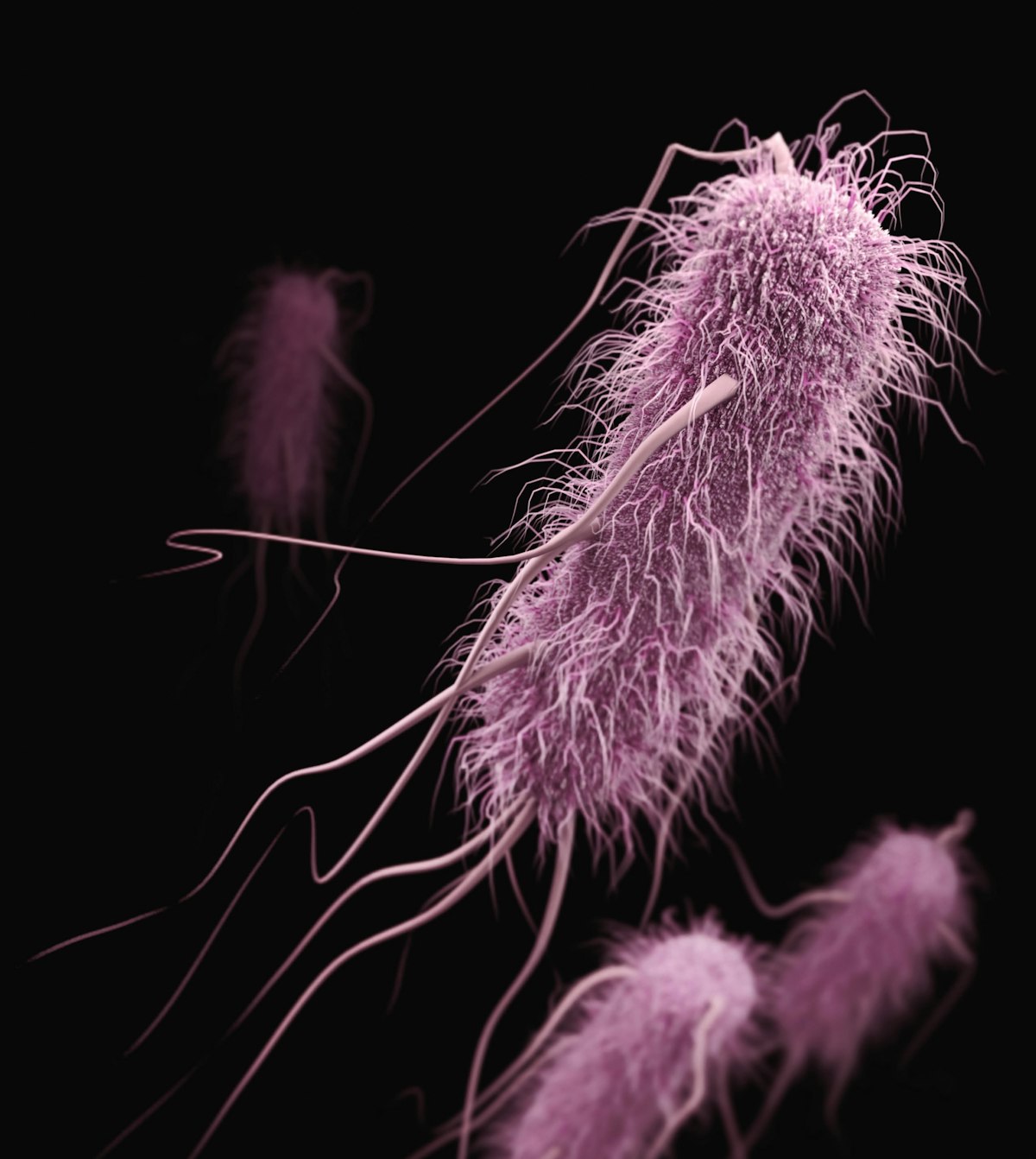
A review by Ray published in Biotechnologia (PMID 39844868, 2025) describes four structural layers within mature dental biofilm, each characterised by distinct pH, oxygen and nutrient gradients. S. mutans concentrates in the acidic, cariogenic zones; P. gingivalis occupies the anaerobic subgingival niches. This is not a random arrangement — it is a spatially organised biological process in which quorum-sensing signals coordinate virulence behaviour that isolated bacteria could not execute.
What the data says about disruption
The research on biofilm architecture does not argue against toothbrushing. It argues for understanding its structural limits and compensating for them deliberately.
Twice-daily brushing remains essential. It disrupts biofilm on buccal, lingual and occlusal surfaces on a schedule that matters — the 24-hour re-establishment window means daily disruption is the minimum effective frequency, not a conservative recommendation.
Daily interdental cleaning is not optional. Floss and interdental brushes are the only tools that mechanically disrupt biofilm in the approximal spaces that a toothbrush cannot reach. This is a structural gap, not an aesthetic one.
Oral irrigators as an evidence-based adjunct. A randomised controlled trial by Cheng et al. 2023 (International Journal of Environmental Research and Public Health, PMID 36834421) assigned 90 gingivitis patients to toothbrush-alone or toothbrush-plus-irrigator groups. From week 4 onwards, the irrigator group showed statistically significant reductions in Modified Gingival Index (p=0.017), Bleeding Index (p=0.001) and BOP% (p=0.001). By week 12, all inflammation indices differed at p<0.001; plaque index was significantly lower from week 8 (p=0.033). The mechanism is mechanical: a pulsating water stream physically flushes biofilm from the subgingival sulcus, a zone that bristles cannot enter.
Fluoride addresses remineralisation, not biofilm. Fluoride in toothpaste strengthens enamel and reduces the acidogenic damage caused by biofilm, but it does not disrupt the EPS matrix. These are different biological problems requiring different interventions.
Antiseptic rinses as a complement, not a substitute. Chlorhexidine is the most evidence-supported antiseptic for oral use, but it is most effective after mechanical disruption of the biofilm structure. A mature biofilm with a dense matrix resists antiseptic penetration. The sequence matters: mechanical disruption first, chemical action second.
The 24-hour re-establishment window is the biological constraint that defines what a minimum effective oral hygiene routine looks like. Everything else follows from it.
Sources:
- PMID 16998612 — Costerton JW / Marsh PD, Odontology, 2006 — confocal microscopy of dental biofilm architecture
- PMID 33690911 / PMC9413593 — Jakubovics NS et al., Periodontology 2000, 86(1):32–56, 2021 — EPS matrix composition and function
- PMC7835112 — Microorganisms review, 2021 — 500–1,000× biofilm resistance vs planktonic bacteria
- PMC8757797 — Okshevsky M et al., Frontiers in Oral Health, 2022 — eDNA structural and resistance roles
- PMID 32256995 — Ishak et al., Journal of Stomatology, 2020 — manual toothbrush interproximal efficacy (<50%)
- PMC11121692 — systematic review, Healthcare, 12(10):1035, 2024 — electric toothbrushes and interproximal cleaning (~40% inaccessible)
- PMID 36834421 / PMC9965011 — Cheng et al., Int J Environmental Research and Public Health, 20(4):3726, 2023 — RCT: irrigator + brush vs brush alone (n=90)
- PMID 39844868 / PMC11748217 — Ray RR, Biotechnologia, 2025 — four-layer oral biofilm architecture