№ 24 · BIOLOGY
Oral probiotics: what works and what is just hype
June 06, 2026 · QDRO
The probiotic market in oral care reached roughly $800 million globally in 2023 and is projected to double by 2030. Most products in this category share one thing: marketing copy that vastly outpaces the clinical evidence underneath it. But somewhere inside the hype, there is real biology. A small number of specific bacterial strains, administered in specific ways, do appear to shift the microbial ecology of the mouth in measurable, clinically relevant directions.
The key word is specific. "Probiotic" on a toothpaste label tells you almost nothing useful. Strain identity, viable dose at expiry, and delivery mechanism are what determine whether a product does anything at all.
The competitive exclusion mechanism
To understand why oral probiotics can work, you need to understand the ecology of dental biofilm. The oral microbiome is not a simple collection of good and bad bacteria — it is a complex community in which strains compete for adhesion sites, nutrients, and pH territory. Pathogenic species like Streptococcus mutans, Porphyromonas gingivalis, and Fusobacterium nucleatum succeed not because they are inherently aggressive, but because they have found ecological niches where their competitors cannot reach them.
The theoretical rationale for oral probiotics is competitive exclusion: introduce sufficient numbers of commensal or beneficial bacteria, and they occupy those niches first. They do this through several mechanisms simultaneously: producing bacteriocins (antimicrobial peptides that inhibit pathogen growth), competing for adhesion receptors on the tooth surface and gingival epithelium, lowering local pH to disfavour pathogens adapted to neutral conditions, and modulating the local immune response to reduce inflammatory signalling.
The problem is that most commensal bacteria introduced exogenously — eaten, swallowed, or even held in the mouth — do not persist long enough to establish genuine ecological dominance. Oral microbiome colonisation is heavily influenced by early-life exposure, saliva composition, and existing biofilm architecture. An adult mouth is a mature ecosystem. Adding a single strain briefly is more like planting one seed in dense undergrowth than seeding a bare field.
This is why strain selection and persistence time (which depends on delivery form) matter so much.

What the RCT evidence actually shows
Of the dozens of strains marketed for oral health, two have accumulated the most rigorous human trial data: Lactobacillus reuteri DSM 17938 and L. reuteri ATCC PTA 5289. Both are strains of the same species but have distinct biological properties — they are frequently used in combination precisely because they appear to complement each other's mechanisms.
A systematic review and meta-analysis published in the Journal of Dentistry in 2016 (PMID 26965080) pooled data from 50 RCTs examining probiotics — including L. reuteri — as an adjunct to scaling and root planing in periodontitis patients. Across these trials, probiotic supplementation was associated with statistically significant reductions in probing depth, clinical attachment level loss, and bleeding on probing compared to scaling alone. The effect sizes were modest — roughly 0.2–0.4 mm improvements in probing depth — but consistent across heterogeneous populations and study designs. The authors noted that the benefit appeared to require concomitant professional mechanical debridement; probiotics alone, without scaling, showed negligible effects on deep periodontal pockets.
For gingivitis (milder, non-destructive gum inflammation), the evidence is somewhat stronger in absolute terms because the baseline inflammation is easier to reverse. A 2012 RCT (PMID 22694350) randomised adults with chronic gingivitis to either L. reuteri-containing lozenges or placebo. The probiotic group showed significantly lower gingival index scores and reduced Porphyromonas gingivalis counts in subgingival plaque. Critically, the authors tracked the subgingival and salivary microbiota for the administered strains — they were detectable in most subjects during supplementation, though counts declined after it stopped.
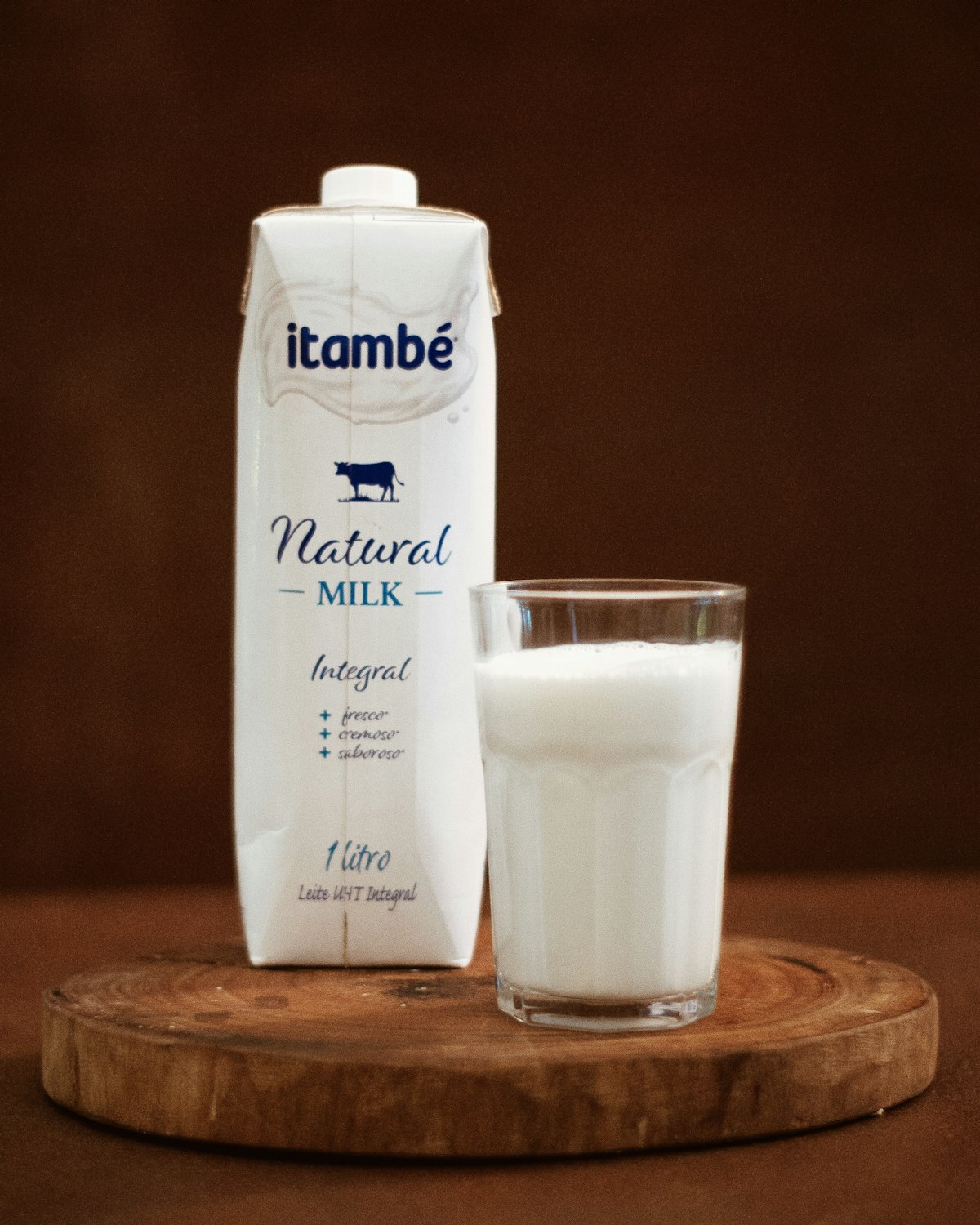
Lactobacillus rhamnosus GG, the best-characterised gut probiotic, has been studied for oral applications but the results are less consistent. A 2001 RCT (PMID 11799281) in Finnish preschool children found that L. rhamnosus GG in milk reduced S. mutans counts and caries incidence over 7 months, but subsequent studies in adult populations and different delivery formats have not reliably replicated the effect on caries outcomes. The strain does not appear to colonise the adult oral cavity effectively.
Delivery forms: why lozenges beat toothpaste
This is the most underappreciated practical issue in oral probiotics, and it explains why nearly every probiotic toothpaste on the market is a waste of money regardless of the strains it contains.
To exert any ecological effect, viable bacteria must spend meaningful contact time in the oral cavity. Toothpaste is rinsed out within two to three minutes, and the surfactants in most formulations (sodium lauryl sulfate in particular) are directly bactericidal — they destroy microbial membranes. Putting a probiotic in toothpaste and expecting it to survive brushing and then colonise biofilm is roughly analogous to putting a fish in engine oil and expecting it to swim. The label claim is technically accurate; the functional outcome is not.
Slow-dissolving lozenges held in the mouth for 10–20 minutes, or chewing gum chewed for a similar duration, achieve substantially higher salivary exposure and longer dwell time. The L. reuteri trials cited above used lozenges (BioGaia ProDentis, 1×10⁸ CFU per lozenge, two per day). Delivery studies with L. reuteri — both gum and lozenge formats held in the mouth for at least 10 minutes — show measurable reductions in gum bleeding and gingivitis; shorter dwell times yield inconsistent colonisation (PMID 16878680).
Dose matters in a different way than manufacturers suggest. The relevant question is not how many CFU are printed on the package at manufacture — it is how many viable bacteria survive to the point of use, survive the oral environment during delivery, and are capable of adhering to oral surfaces. A lozenge with 10⁸ CFU that has been stored at room temperature for 18 months may deliver essentially zero viable cells. L. reuteri DSM 17938 has demonstrated reasonable stability in lozenge form when refrigerated, but stability testing data are rarely published in accessible form by manufacturers.
The limitations and what they mean for consumers
Several important caveats prevent translating the positive RCT data directly into confident consumer recommendations.
First, most positive trials used adjunctive protocols — probiotics on top of professional mechanical cleaning, not instead of it. There is no good evidence that oral probiotics, used alone by someone who is not receiving dental care, will reverse established gingivitis or arrest periodontitis. The mechanism requires a partially cleared ecological space for new colonisers to occupy; a mouth full of intact mature biofilm does not provide that space.
Second, the effect is not durable after supplementation stops. Oral microbiome composition begins returning to baseline within weeks of stopping probiotic use in most subjects (PMID 26965080). This means any benefit requires ongoing use — a convenient feature for manufacturers, and a genuine maintenance burden for consumers.
Third, the field has a strain-specificity problem. Much of the mechanistic rationale that explains why L. reuteri DSM 17938 might work does not transfer to arbitrary lactobacilli. Two products both labelled "oral probiotic" with different strains may have entirely different evidence bases — or no evidence base at all. The European Food Safety Authority has rejected essentially all oral health claims submitted by probiotic manufacturers due to insufficient strain-specific evidence, which has had no discernible effect on marketing language in markets where EFSA jurisdiction does not apply.
QDRO covers oral biology research for readers who want to evaluate oral care products against the primary literature rather than the marketing copy — the same principle that applies to probiotic lozenges applies to every other category.
The rational bottom line
The evidence base for oral probiotics is real but narrow. L. reuteri DSM 17938 and ATCC PTA 5289 delivered via slow-dissolving lozenges (two daily, approximately 10⁸ CFU each) have replicated efficacy signals across multiple RCTs for reducing gingivitis and as an adjunct to periodontal treatment. The mechanism — competitive exclusion and immunomodulation — is biologically coherent and partially confirmed by colonisation data from trial subgroups.
Everything else in the oral probiotic category — toothpastes, mouthrinses with "probiotic complex," products listing uncharacterised Lactobacillus blends without strain designations — lacks supporting evidence and in many cases lacks the physical capacity to deliver viable bacteria to where they would need to act.
If you are considering oral probiotics, the practical filter is simple: does the product list a specific strain designation (not just species), use a delivery format that keeps bacteria in the mouth for more than a few minutes, and cite actual clinical data for that specific strain? If any of those three answers is no, the product is probably extracting money rather than pathogens.
Sources:
- PMID 26965080 — Gruner D et al., Journal of Dentistry, 2016 — systematic review and meta-analysis of 50 RCTs on probiotics (including L. reuteri) for managing caries and periodontitis, as an adjunct to mechanical therapy
- PMID 22694350 — Iniesta M et al., Journal of Clinical Periodontology, 2012 — RCT of orally administered L. reuteri-containing tablets on the subgingival and salivary microbiota in gingivitis patients, including P. gingivalis counts
- PMID 11799281 — Näse L et al., Caries Research, 2001 — RCT of L. rhamnosus GG in milk in preschool children; S. mutans counts and caries incidence over 7 months
- PMID 16878680 — Krasse P et al., Swedish Dental Journal, 2006 — RCT of probiotic L. reuteri showing decreased gum bleeding and reduced gingivitis
- PMID 16998612 — ten Cate JM, Odontology, 2006 — review of dental plaque as a biofilm: ecology, architecture, and the microbiology of biofilm formation